A $1 Billion 'Virtual Wall' Watches the Border — and People Keep Dying in Its Blind Spots
A 15-month investigation by MIT Technology Review and the Times of San Diego mapped nearly 4,000 migrant deaths against the locations of AI-enabled surveillance towers — and found more than 1,050 people who died near them.
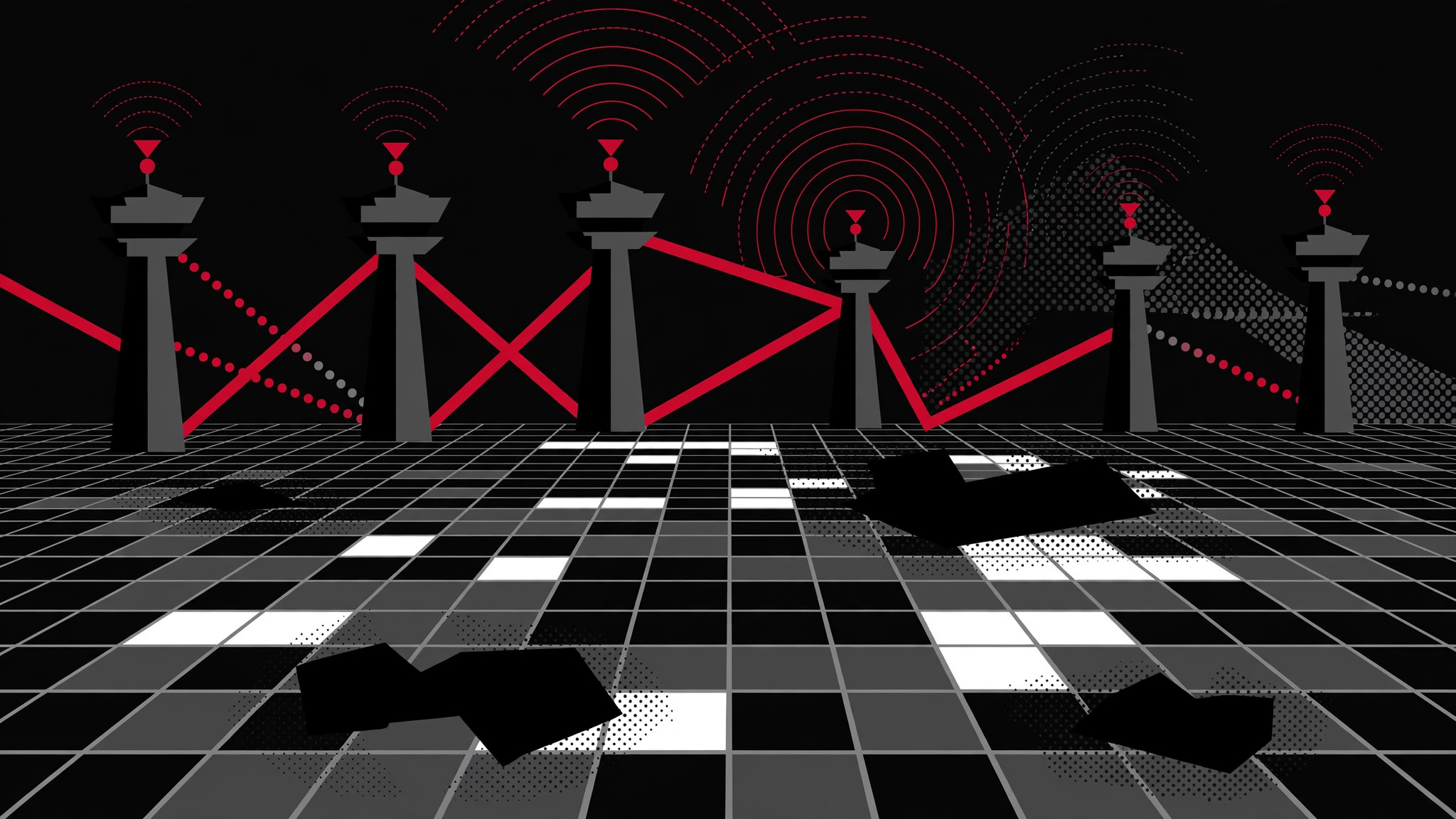
The US-Mexico border is lined with surveillance towers — some of them autonomous, AI-enabled structures meant to track and apprehend migrants in remote terrain. But a 15-month investigation published this week by MIT Technology Review and the Times of San Diego asks a darker question: why did so many people die right next to the towers that were supposed to see them?
Building the first comprehensive map
The reporters started with two questions: where migrants have died, and where — and when — the towers were installed. On deaths, they assembled nearly 4,000 cases dating back to 2015, merging datasets from No More Deaths, Humane Borders, and the Electronic Frontier Foundation with new records obtained from more than a dozen agencies.
Texas was the hard part. Unlike Arizona, it shares no statewide records, so the journalists filed requests with the sheriffs of 17 border counties and reviewed over 4,000 pages of reports. For large batches they used Anthropic's Claude to pull where remains were found, then hand-checked samples. The tally: 1,500-plus cases from Texas, 1,700-plus from Arizona's Pima County system, and about 1,000 from No More Deaths (California, New Mexico, other Texas counties).
For the towers, they worked from the EFF's mapping database — coordinates verified against satellite imagery — covering roughly 600 of the 800 the government says are deployed.
What the map shows
The investigation found people who walked undetected through areas watched by advanced AI-enabled towers and later died nearby, their bodies remaining unnoticed for weeks or months. The failures, according to the reporting, came in three varieties: broken towers, algorithms that failed to spot people, and alerts agents simply never answered.
One data point drove the scale home: when reporters showed New Mexico state representative Sarah Silva that more than 18 people had died near surveillance towers in 2024 alone in one small desert stretch near her district, she replied, "If I were the federal government, I would do an audit, because this feels like it's not working."
That audit has never happened, the reporters say: sources told them US Customs and Border Protection has never comprehensively checked how many people died near its towers. Footage is typically deleted after 30 days unless an internal review is opened, which usually happens only for deaths in custody — and agents have no requirement to check whether a body found in the desert died within view of a surveillance camera.
What's next
The timing matters: the US is set to spend $1 billion to triple the virtual wall by 2034, with defense company Anduril continuing to win major tower contracts. In a companion piece, the journalists proposed fixes including an audit, repaired death tracking, better logging of when towers lead to apprehensions, and treating each new death near a tower as a potential surveillance failure.
The central question lingers: did the cameras see them and nobody came — or did nobody see them?
Written by the BidAsk Newsroom. Based on reporting from the sources below.
Sources
Which AI tool is actually worth your money?
ToolROI is a free AI-tool ROI calculator for freelancers — compare what tools like Jasper, Copy.ai, Kit, and Semrush really cost you versus what they earn back.
Calculate my ROI →Free tool run by the same publisher as BidAsk. No affiliate links.