Opinion
The 50/30/20 Budget Is Dead — Housing Killed It
A rule built for an era of cheaper rent cannot survive a world where housing eats half a paycheck before you have bought a single want.
A rule built for an era of cheaper rent cannot survive a world where housing eats half a paycheck before you have bought a single want.
The tip jar followed you from the restaurant to the checkout screen because employers stopped raising wages — and customers quietly agreed to cover the difference.
Price stability sounds neutral. Compound 2% inflation over a lifetime, and savers quietly hand a third of their money to borrowers — by design.
The unrecoverable costs of owning — interest, taxes, maintenance — often exceed rent on the same house, and the difference is money you can actually invest.
A 1% annual fee sounds trivial — but compounding turns it into roughly a quarter of your lifetime investment returns, paid to someone whose advice doesn't get ten times better when your account does.
Your brokerage app is designed like a slot machine, and the research is clear: investors who trade the most earn the least.
Every swipe triggers a merchant fee that gets baked into prices — so cash and debit users, who are disproportionately lower-income, subsidize your free vacation.
Banks are earning record net interest margins while paying savers crumbs. Inertia is their most profitable product.
A 1994 study using mid-century data still dictates how America retires. Longer lives, richer valuations, and wilder bond markets demand new math.
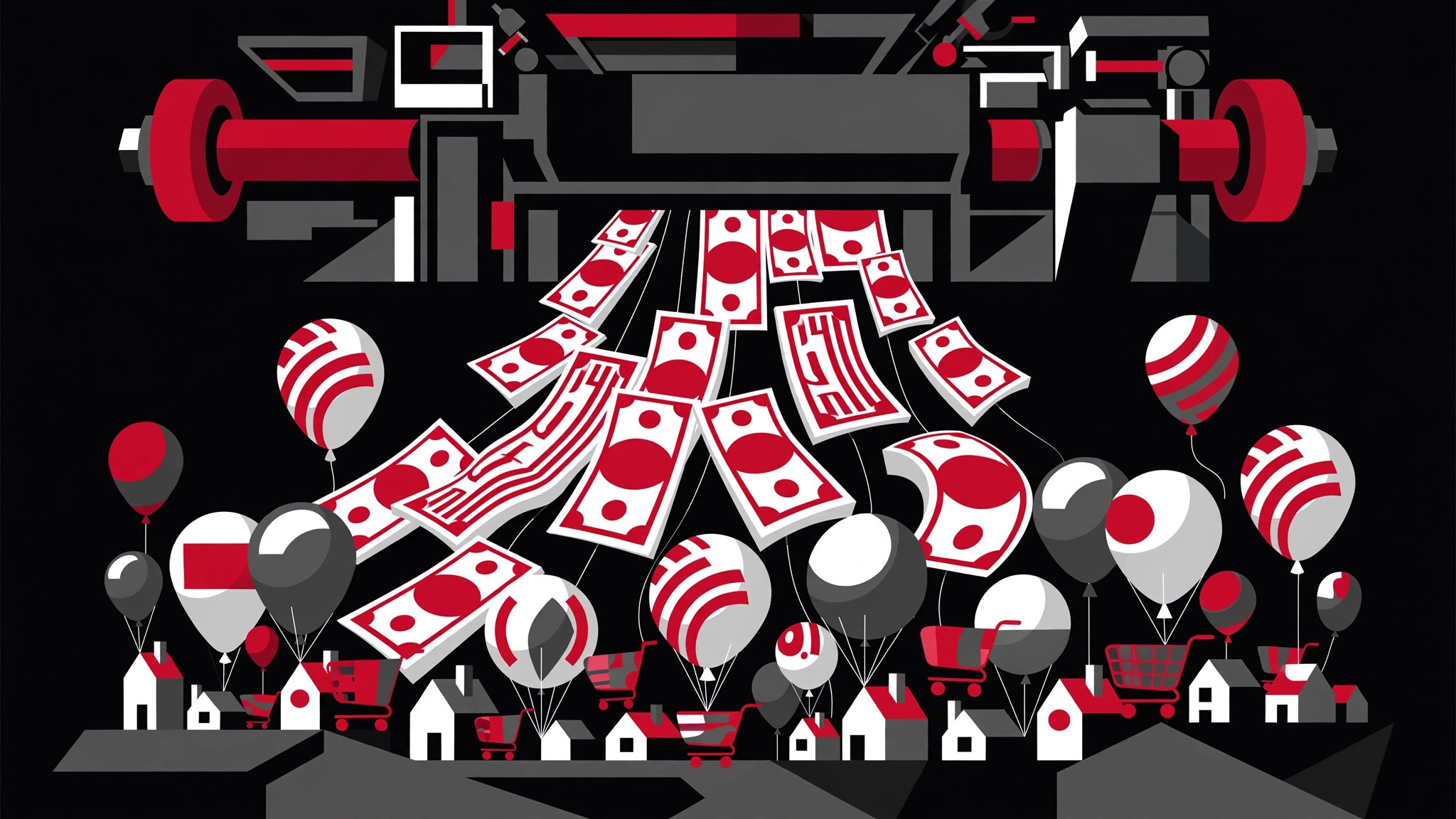
Everybody wants the Fed to cut. But a decade of near-zero rates inflated houses, stocks, and groceries alike — and savers paid for the party.
SPIVA keeps score, and the score isn't close: most professional stock-pickers lose to the index. The honest case for picking stocks was never about returns.
The suits arrived, the memes left, and crypto got an audited prospectus. Boring is how assets grow up.