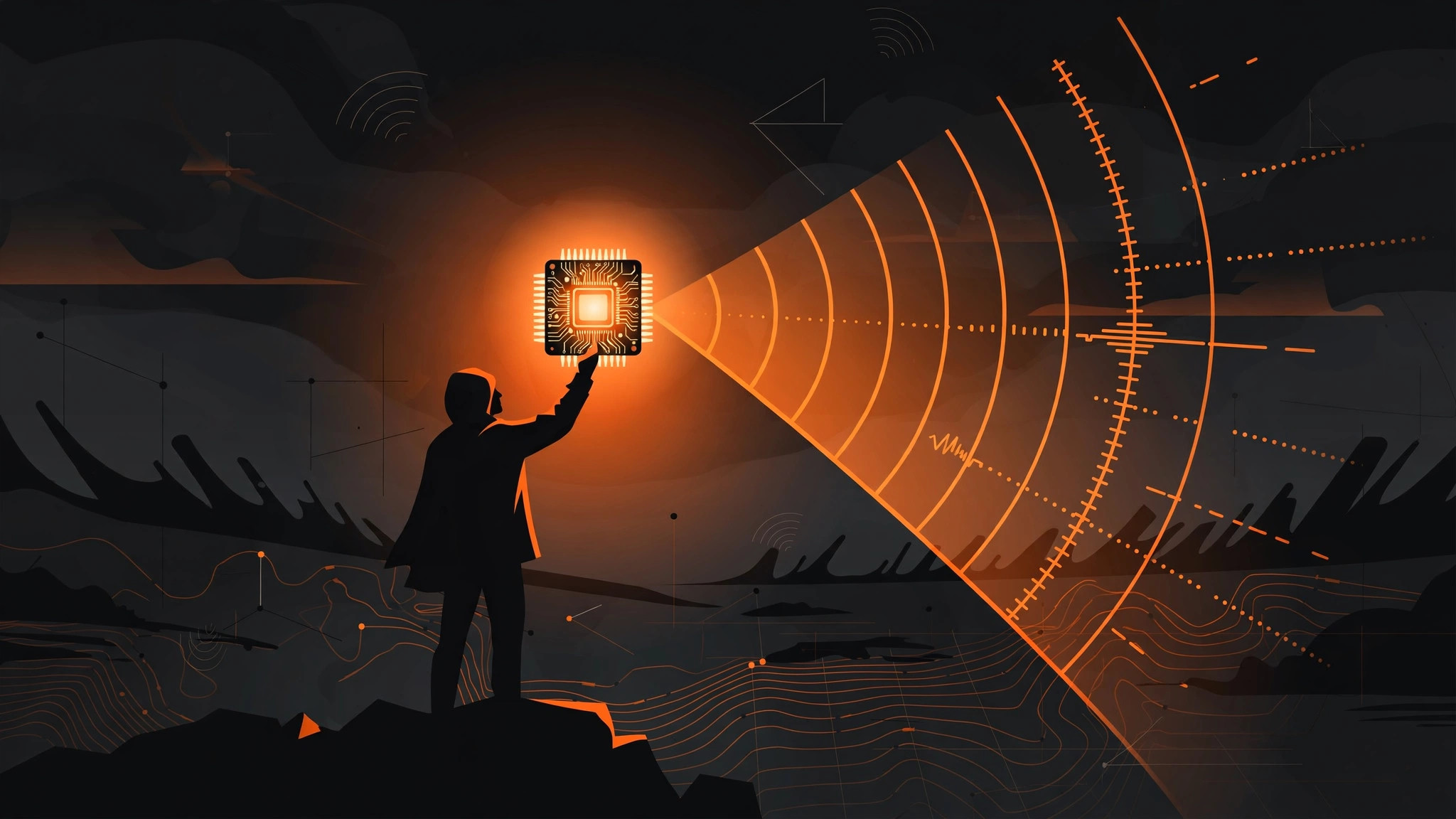
The Pentagon Wants $30 Million for an AI Lie Detector
The Defense Department has asked Congress for $30.3 million to build an AI-powered polygraph that can read deception without touching you — but the history of lie detection is a long string of failures.
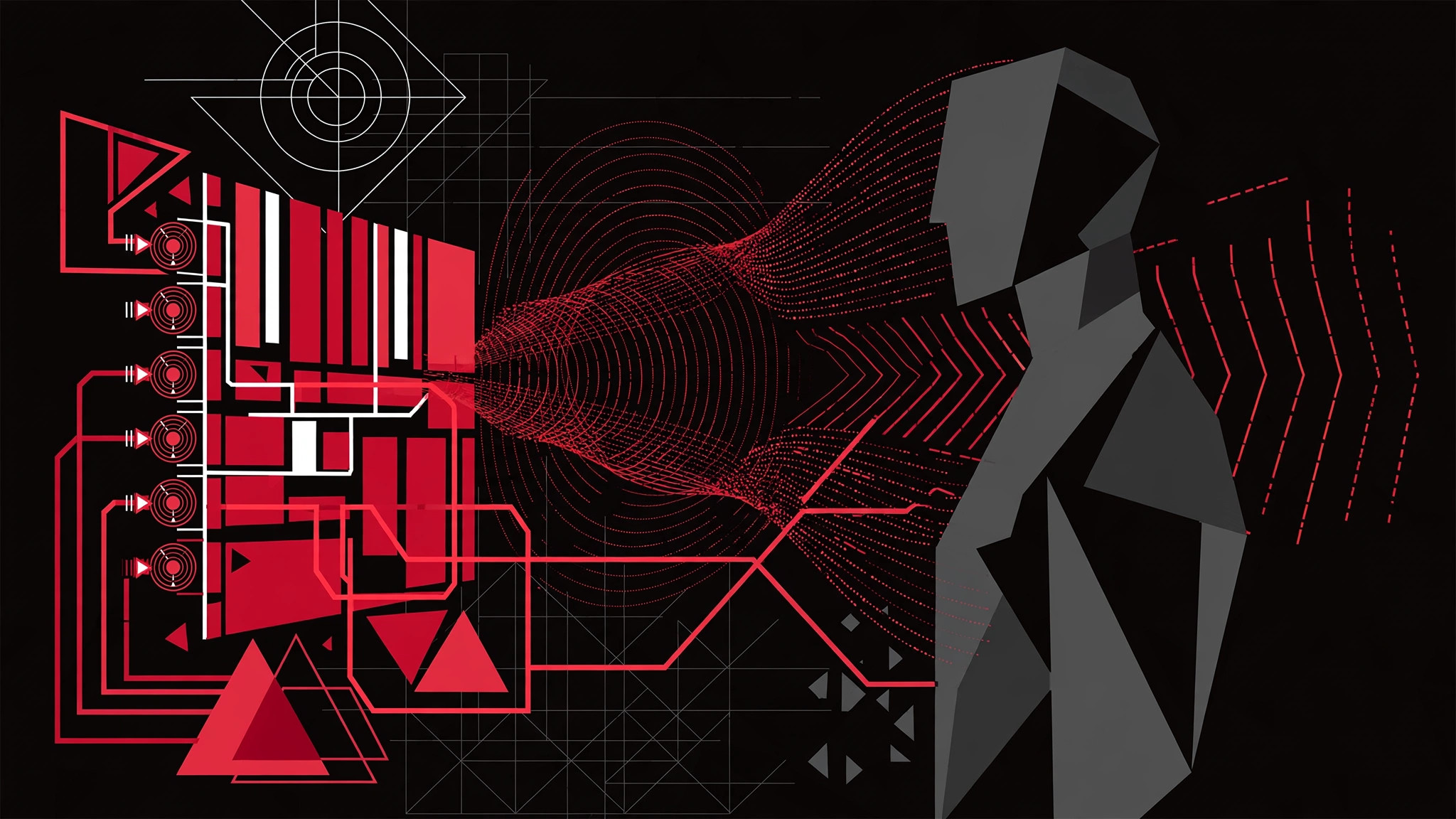
The US government wants to spend $30.3 million over five years on an improved lie detector, according to a Department of Defense budget request first reported by Inside Defense. The program — called "Polygraph+" or "Polygraph Next" — would use artificial intelligence and machine learning to score physiological signals, plus "standoff sensing" that reads a subject's body without attaching any device.
The goal, per the budget document, is to "modernize federal polygraph and credibility assessment technologies" to make them more accurate and reliable. The project would be run by the Defense Counterintelligence and Security Agency (DCSA), which handles federal background checks, and would be used to vet prospective employees and detect insider threats. The document has not yet been approved by Congress.
A request timed to a leak-hunt era
The push comes as the Pentagon leans harder on polygraphs. Under Defense Secretary Pete Hegseth, the department has been using the tests to hunt for sources of alleged press leaks. The New York Times reported in September that around 50 officers on the Joint Staff were polygraphed after coverage described depleted US weapons stockpiles in the war with Iran.
The DCSA declined to say which technologies Polygraph+ would use. But earlier Pentagon experiments offer clues: in 2023, the Defense Innovation Unit ran an open submission for deception-detection products and picked two companies for prototypes — Presage Technologies, which claims to measure heart rate and breathing from standard camera footage, and Altec Research, whose prototype tracks head movement, facial skin temperature, and pore activity.
A device unchanged since the 1920s
The polygraph's technology has barely moved since its invention in the 1920s. Examiners still measure blood pressure, pulse, breathing, and sweat, comparing reactions to baseline questions ("Is the sky blue?") against target questions ("Have you ever committed a crime?"). Its scientific record is dismal: Congress's Office of Technology Assessment found very limited evidence for employee screening in 1983, and the National Research Council called the evidence "weak at best" in 2003.
Deception experts are skeptical AI fixes this. "It's a misguided effort to reduce the complex to something that is tangible," Kyri Kotsoglou, a professor at Northumbria Law School, told MIT Technology Review. Even the American Polygraph Association's claimed 80–94% accuracy would, across the DoD's 2.8 million staff, falsely accuse tens of thousands, per the 2003 review.
"There is still no Pinocchio's nose," said Sophie van der Zee, a deception researcher at Erasmus University in Rotterdam — no universal signal of lying. The machine's real effect is often deterrence, she noted: subjects confess before it begins, "but that only works if people think a polygraph works." Previous multi-modal efforts like the EU's iBorderCtrl pilot and the US border AVATAR project quietly faded.
Kotsoglou calls the AI-polygraph combination "the worst of both worlds": machine learning needs ground truth about when someone actually lied, and polygraph records don't have it. His deeper concern, echoed by law professor Marion Oswald, is that the technology works as a psychological prop — "used as a threat, to intimidate and force people to confess to things, as opposed to anything that's actually getting valid information."
Written by the BidAsk Newsroom. Based on reporting from the sources below.
Which AI tool is actually worth your money?
ToolROI is a free AI-tool ROI calculator for freelancers — compare what tools like Jasper, Copy.ai, Kit, and Semrush really cost you versus what they earn back.
Calculate my ROI →Free tool run by the same publisher as BidAsk. No affiliate links.