A Deepfake Voice Fooled Her Grandfather — So She's Building Phone-Level Defenses
After her family fell for an AI-cloned voice ransom scam, Tarini Padmanabhuni founded DetectifAI to spot fake voices inside the phone itself — no cloud needed.
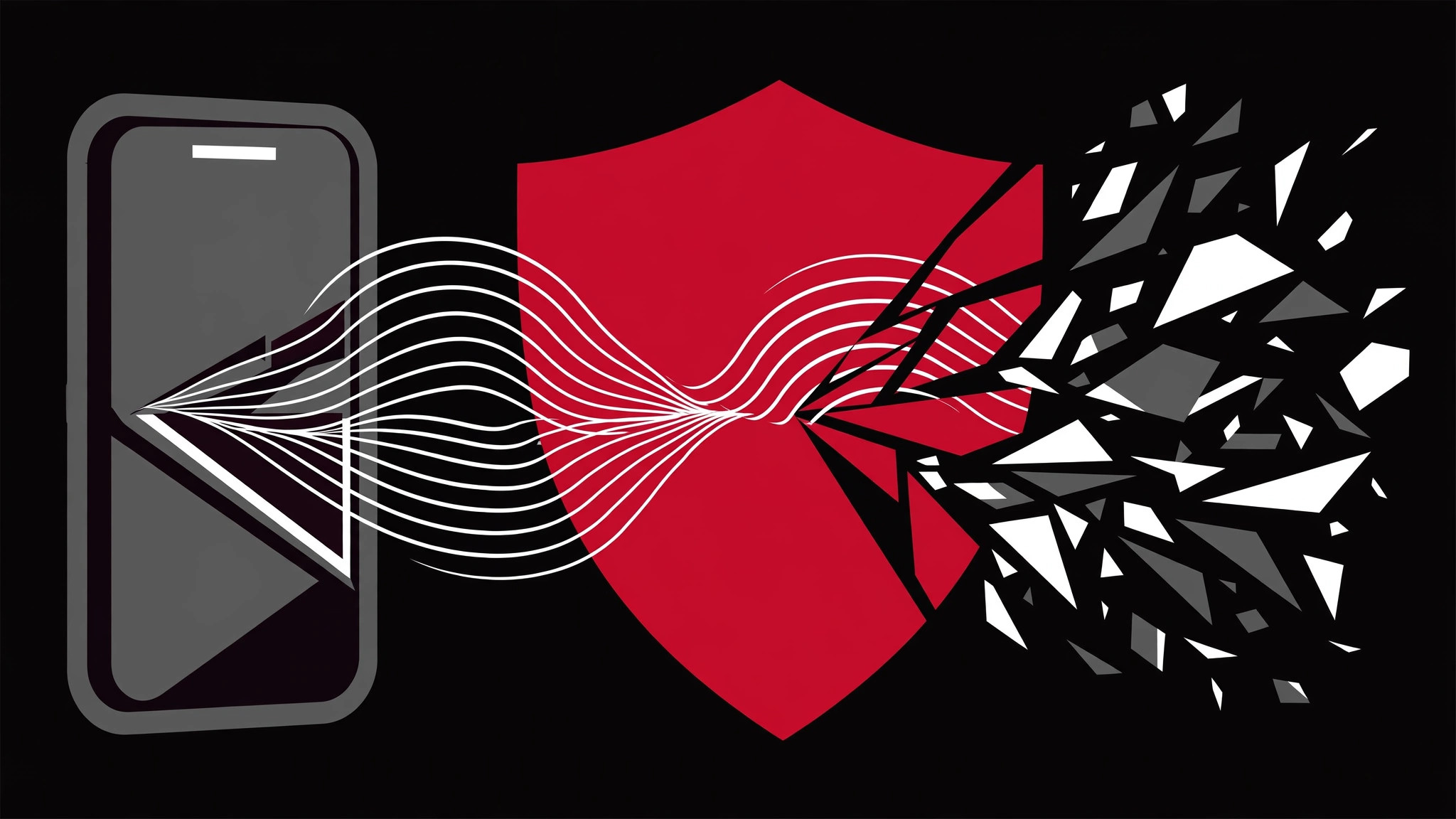
The call Tarini Padmanabhuni's grandfather received sounded exactly like his brother. The voice on the line said he had been kidnapped and that a ransom was the only way to get him back. Her grandfather paid — and only later learned his brother had been elsewhere the whole time, unaware any of it was happening. The voice was a deepfake: an AI-generated imitation.
"What stayed with me wasn't the money," Padmanabhuni says of the incident. "It was that he had no way of telling." That was about two years ago. The company she founded to make sure others don't get fooled the same way is DetectifAI, a San Francisco-based startup that will compete in TechCrunch's Startup Battlefield competition at Disrupt on October 13–15.
A growing problem with a market to match
The scam her grandfather fell for is no edge case. According to the FBI, Americans lost close to $900 million to AI-driven scams last year, up 24% from 2024. People aged 60 and older lost twice as much as those aged 50 to 59, TechCrunch reports.
There's no shortage of competition in deepfake voice detection — companies like Reality Defender, Pindrop, Resemble AI, Microsoft's Azure AI Content Safety and Nuance all compete in the space. But Padmanabhuni's argument is that today's detection products run in the cloud on remote servers, so phone makers can't build them directly into their devices, leaving the targeted person with little defense.
Small models, built on-device from the start
DetectifAI's approach is to design compact AI models from the start that are small enough to run inside a smartphone's operating system — rather than shrinking large cloud models to fit a phone, as some rivals do. The goal is an instant verdict on whether a voice is AI-generated during calls, in voice messages, and in other audio, without the audio ever leaving the device.
The company is selling first to phone manufacturers, licensing its software development kit so that detection ships as a built-in feature of the phone's operating system. Padmanabhuni's pitch to manufacturers echoes AT&T's role in the original iPhone launch, when the carrier's exclusive deal set it apart from rivals: the first phone maker to ship DetectifAI will gain an edge over competitors, she argues. She says a secondary revenue stream will come from licensing the technology to businesses and fraud-prevention firms.
The startup already has early revenue, according to Padmanabhuni, and handles more than 100,000 calls a month for financial institutions in India — calls placed by AI voice agents that handle debt collections and follow up on loan documents, with deepfake detection and speaker verification on every call. She declined to name customers, citing confidentiality agreements. The company has raised a small seed amount from investors Josh Constine and Manohar Kamath.
Padmanabhuni, who says she began working in machine learning at age 12 and later studied cyber-physical systems at Manipal Institute of Technology in India, where she became the youngest team lead of what she describes as India's first driverless race car division in Formula Student, is betting that the detection battle will be won inside the device. Given that the victims lose $900 million a year to scams they can't see coming, she may have the motivation to match the market.
Written by the BidAsk Newsroom. Based on reporting from the sources below.
Which AI tool is actually worth your money?
ToolROI is a free AI-tool ROI calculator for freelancers — compare what tools like Jasper, Copy.ai, Kit, and Semrush really cost you versus what they earn back.
Calculate my ROI →Free tool run by the same publisher as BidAsk. No affiliate links.