The Billions Spent Watching the Border Didn't Stop 1,000 Deaths on Camera
A 15-month investigation found more than a thousand people died within range of US border surveillance towers — including under the watch of AI-powered ones.
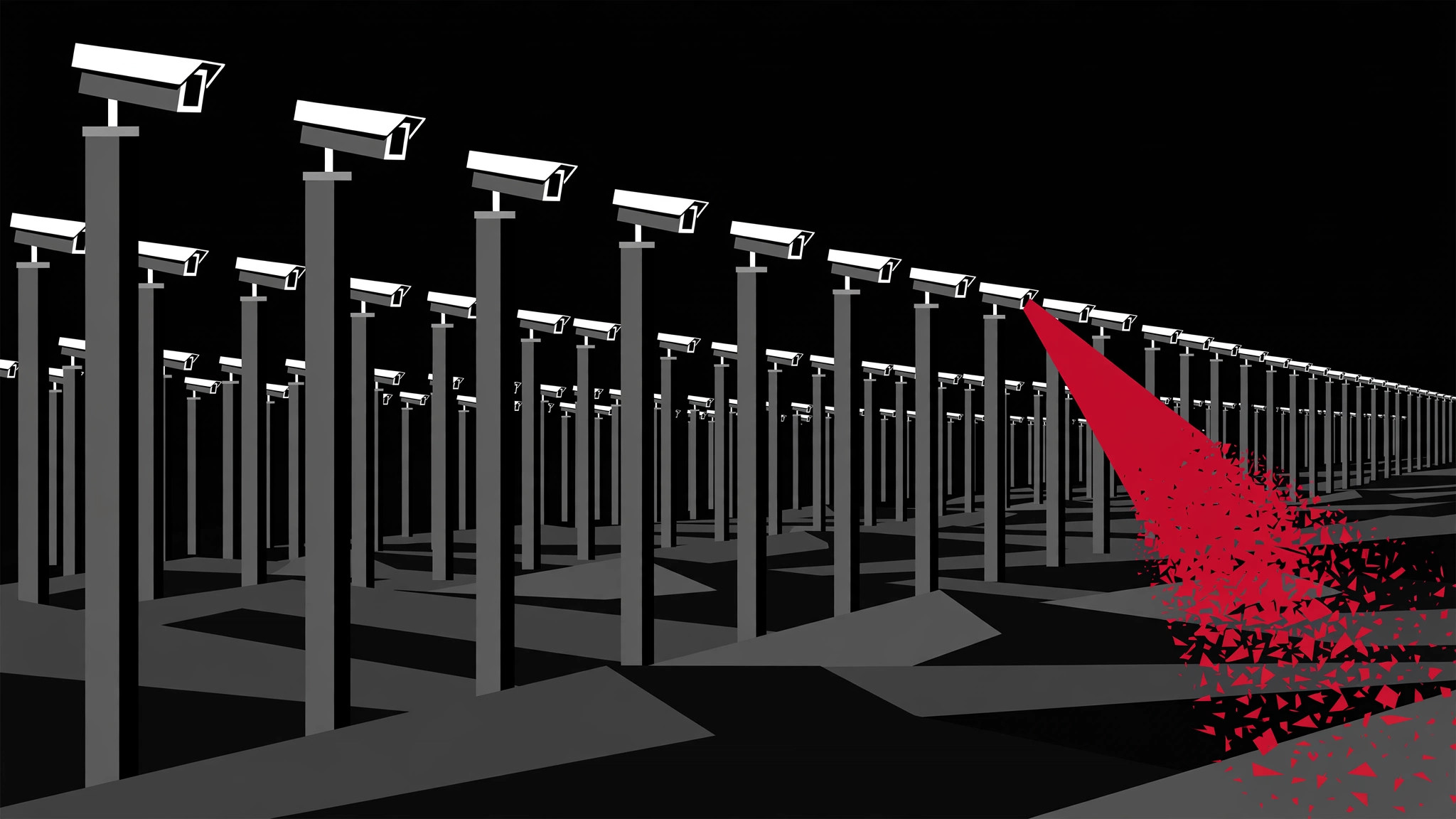
For 25 years, the United States has spent billions of dollars building a "virtual wall" of surveillance towers along its southern border. The pitch from Customs and Border Protection has been consistent: the towers detect people crossing, dispatch agents to intercept them, and — crucially — save lives. According to a 15-month investigation by MIT Technology Review, the reality is far grimmer.
The investigation documented more than 1,050 people who died between 2015 and early 2026 within the advertised range of border surveillance towers, without being detected or reached. These were not marginal cases: the deaths occurred within the advertised range of nearly two-thirds of all the towers the reporters analyzed. And the failures are not confined to legacy equipment — more than 110 of those deaths happened since 2021 within range of modern autonomous Sentry towers built by Anduril, among the most advanced systems CBP has deployed.
Mapping the failure
The reporters cross-referenced nearly 4,000 locations where human remains were found — drawn from nonprofit groups and Texas records — against roughly 600 towers catalogued by the Electronic Frontier Foundation, accounting for when each tower was installed and when each person is estimated to have died. According to the investigation, the result is the first comprehensive map of deaths near the government's border surveillance grid.
The findings undercut every easy explanation. Terrain was a factor in some areas — a topographical analysis found certain towers could see as little as 10% of their advertised coverage — but most of the deaths did not happen in blind spots, the investigation found. Instead the failures were layered: misclassified detections (groups of people labeled as cattle by algorithms), unresponsive agents, and plain broken hardware.
The human cost, up close
One case cited in the investigation: José Morales Bernal, who died of environmental exposure 360 feet from the nearest tower in April 2024, the day before his 32nd birthday. He was found by landfill workers. In another, the two-year-old Eloah Lenda and her father Daniel drowned in the Rio Grande near Del Rio, Texas, in 2022 — where three cameras had clear views of the water.
The reporting also surfaced an accountability gap: the agencies that operate the towers did not answer detailed questions about whether sensors detected people before the deaths, or why agents did not reach the locations in time. A companion policy piece published with the investigation calls for a comprehensive death audit, better tracking of when tower detections actually lead to interceptions, and treating any death near a tower as a potential surveillance failure.
The virtual wall was sold on a security promise — that technology would see people the desert hides. The investigation's central finding is that the cameras were watching, and people died anyway.
Written by the BidAsk Newsroom. Based on reporting from the sources below.
Which AI tool is actually worth your money?
ToolROI is a free AI-tool ROI calculator for freelancers — compare what tools like Jasper, Copy.ai, Kit, and Semrush really cost you versus what they earn back.
Calculate my ROI →Free tool run by the same publisher as BidAsk. No affiliate links.