Kids Are Outsmarting Social Media Bans — and Researchers Say That's a Signal, Not a Loophole to Fix
Age-gate laws are spreading from France to the UK to the EU. But researchers argue that tougher enforcement pushes kids toward darker, less-moderated corners of the web.
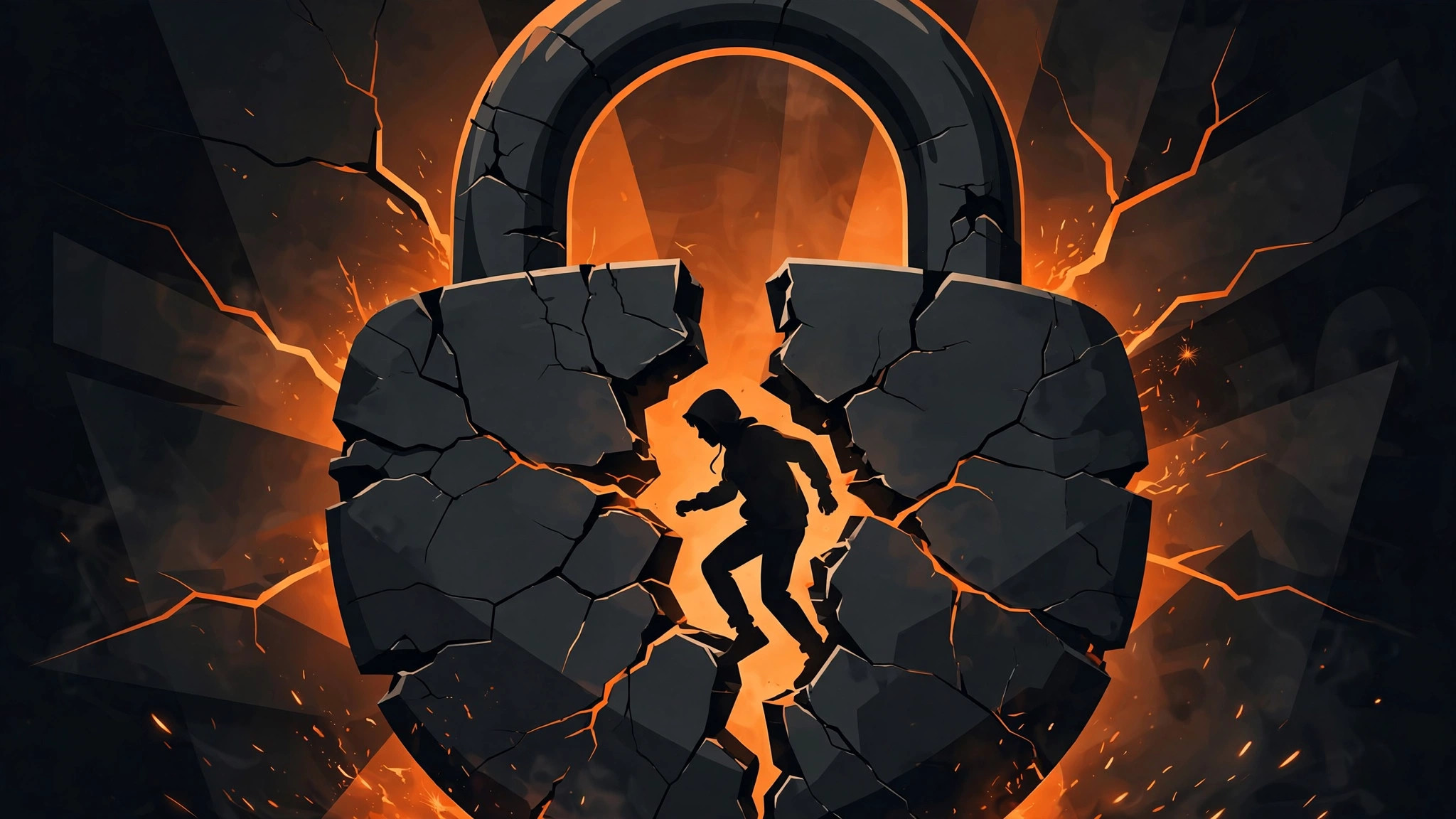
Social media bans for minors are stacking up around the world. In July, France joined Australia in barring children under 15 from major platforms — before the ban was blocked by France's top court on human rights grounds, according to MIT Technology Review. The UK aims to forbid under-16s from accessing Facebook, TikTok, and other platforms in early 2027, and the EU has announced its own plan to prohibit social media for children under 15.
But the early lessons from Australia, which enacted its ban in 2024, suggest these restrictions are easily circumvented. A study published earlier this year found that four in five teens under 16 made their way onto barred platforms. The workarounds are creative: teens have used a sibling's face for ID checks and even drawn fake facial hair to fool age gates, according to the piece. Some proponents want stricter enforcement to close those loopholes — but the article's authors argue that circumvention is a signal of policy failure, not a nuisance to be deterred.
Tighter gates, riskier detours
The central warning is that bans don't remove kids from the internet; they redirect them. Preliminary research shows kids' screen time has not meaningfully decreased after Australia's ban, but has sometimes been rerouted into spaces that are unmonitored and unknown to parents. Those alternative spaces — from innocuous group chats in Google Docs to genuinely dangerous, under-resourced platforms — are often the least safe: as the authors put it, the riskiest platforms for young people are those with the fewest eyes on the digital street, and dying or under-resourced platforms tend to attract both vulnerable youth and those who prey on them.
Age checks carry their own costs
Age verification isn't just inconvenient — it concentrates sensitive data. Companies may demand government documents like driver's licenses, which can be mishandled or lead to identity theft. Last year, for example, Discord reported that 5CA, a third-party service it used to confirm age, had been compromised, exposing at least 70,000 images of users' government IDs, according to the article.
The pressure has also spilled over into privacy tools. State age-verification bills in Michigan and Utah have tried to interfere with the privacy protections offered by VPNs — the Utah bill is now blocked by a federal court — and Australia's eSafety Commissioner is nudging social media platforms to detect and block VPN use. Requiring adult users to prove their age to use a VPN, the authors argue, defeats the purpose of the technology and can endanger journalists and human rights defenders working on sensitive issues.
What the researchers propose instead
The piece, written by Center for Democracy & Technology researchers Michal Luria and Aliya Bhatia and Cornell professor danah boyd, argues policymakers should target the incentives that make platforms risky in the first place: mandate stronger limits on the data collection companies use to target content and ads, and expand user-controlled tools — like keyword-based content filtering — that give families flexible ways to manage access on their own terms.
Age gates, the authors conclude, won't bring the desired change or simplify digital parenting. At best they raise thornier questions and postpone the conversation to a child's 16th birthday. At worst, they leave kids with no guidance as they make their way through the online world.
Written by the BidAsk Newsroom. Based on reporting from the sources below.
Which AI tool is actually worth your money?
ToolROI is a free AI-tool ROI calculator for freelancers — compare what tools like Jasper, Copy.ai, Kit, and Semrush really cost you versus what they earn back.
Calculate my ROI →Free tool run by the same publisher as BidAsk. No affiliate links.