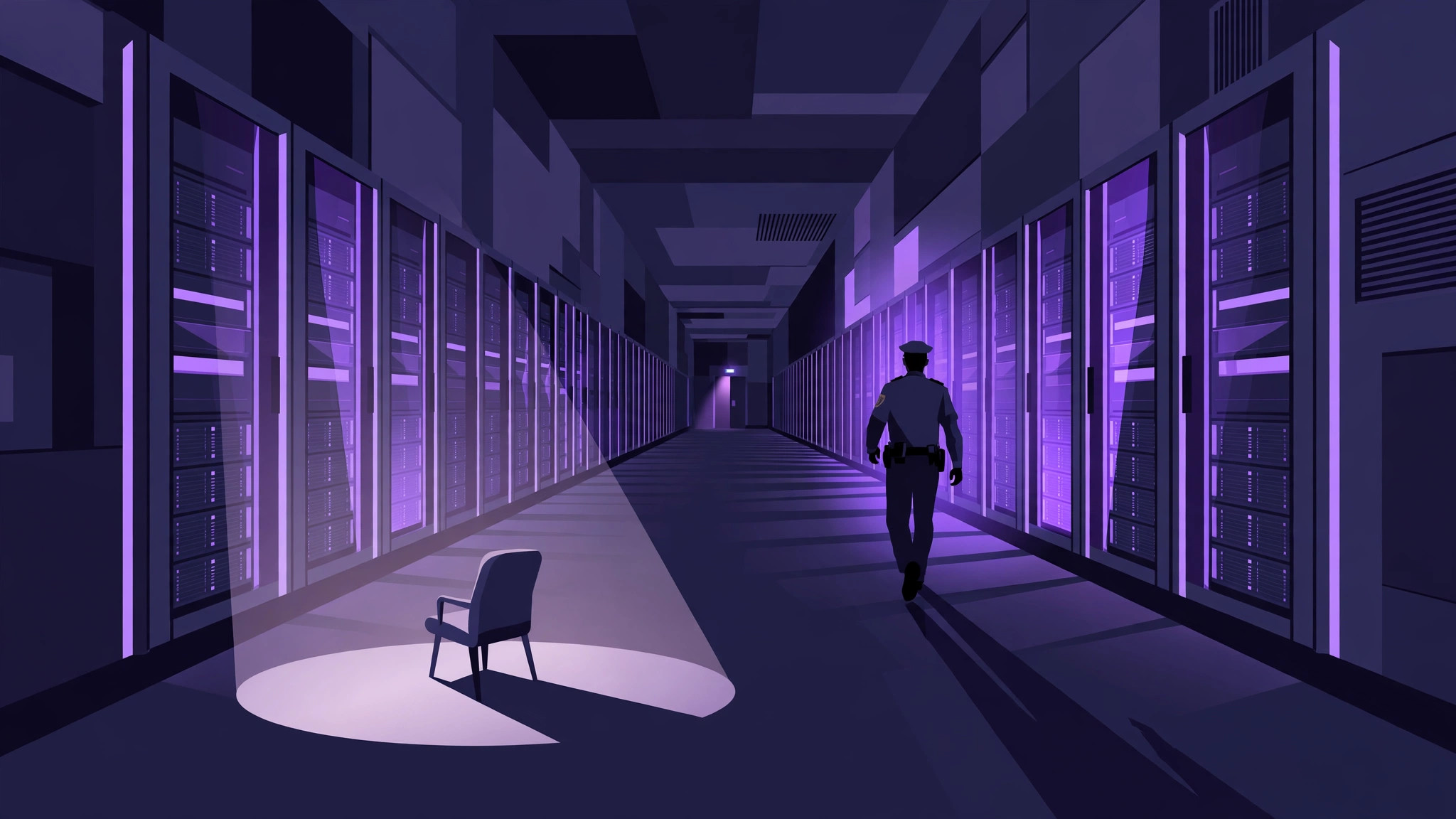
Samsung's Pyeongtaek Bet: The Massive Chip Hub Trying to Win Back the AI Memory Crown
South of Seoul, Samsung is racing to bring a fourth chip fab online and revive a halted fifth — all to catch SK Hynix in the high-bandwidth memory that powers Nvidia's AI accelerators.
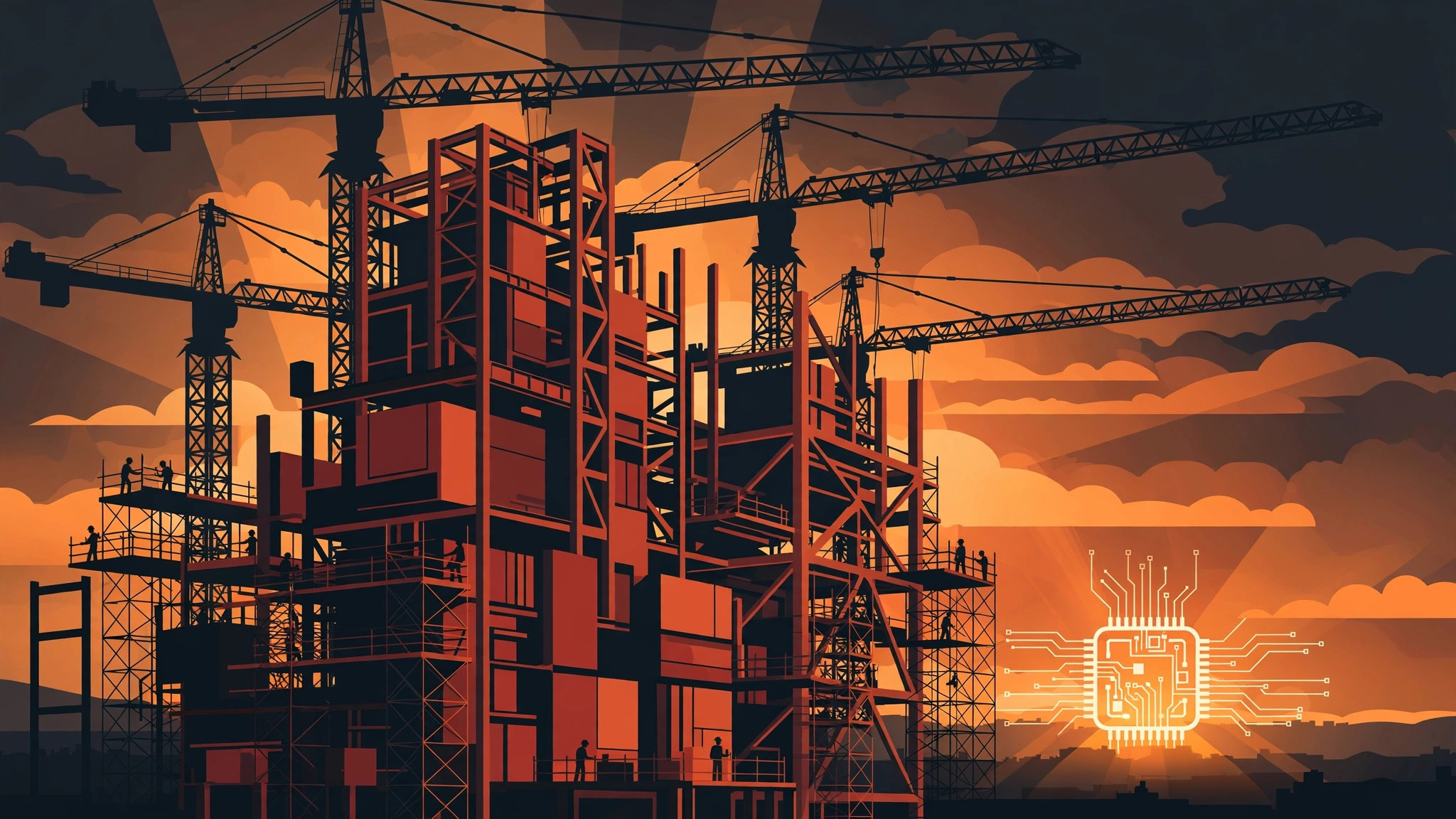
In Pyeongtaek, a farming city south of Seoul where rice paddies sit beside an industrial complex the size of New York's Central Park, Samsung is staging one of the most expensive comebacks in the chip industry. The company is building a massive semiconductor manufacturing complex to feed the AI era's ravenous demand for memory — and a visit this week, documented by MIT Technology Review, shows construction running at full tilt.
Three fabs already operate around the clock. A fourth is coming online. Construction of a fifth was halted in 2024 during a slump in memory-chip demand but restarted once the AI boom sent orders soaring again.
Chasing SK Hynix
The stakes are high. Generative AI models run on GPUs, which depend on stacks of specialized memory packaged alongside the processor — and for years Samsung has watched domestic rival SK Hynix pull ahead in the market for the high-bandwidth memory that powers Nvidia's AI accelerators, according to the report. (Meanwhile Taiwan's TSMC has dominated the foundry business, manufacturing chips that other companies design.) Samsung expects memory-chip demand to keep surging through 2028, and the Pyeongtaek build-out is its bid to reclaim the memory crown.
A city within a city
The human scale of the project is striking. Thousands of construction workers, dressed in black with sky-blue vests and helmets bearing their names and fab numbers, pour out of the fabs at midday lunch hour, hopping on scooters and motorcycles to navigate the sprawling campus. They eat at buffets, diners, and beef-stew joints; banners along the way advertise short-term studio-apartment leases, and real estate offices serve both transient workers and Samsung's salaried engineers buying homes.
One of those workers is Choi Hye-rin, a 35-year-old safety officer who oversees a crew building cable ducts. She earns 140,000 won (about $97) a day — above what other construction sites pay, she says — and has no plans to leave. "You just keep coming back," she told the publication.
Safety culture looms large: banners on the highest girders read "Even if the work runs late, don't rush," a giant LED scoreboard announces winners of a safety-poem contest, and helmets carry stickers pledging "I will not work if it's not safe."
The demand gamble
The entire complex is a bet that the AI boom's appetite for memory is structural, not cyclical. Samsung was burned once when it paused fab five in 2024; restarting it signals conviction that demand will stay elevated. If the company is right, Pyeongtaek becomes the anchor of its attempt to unseat SK Hynix in high-bandwidth memory. If the cycle turns again, it owns one of the world's most expensive unfinished bets. For now, the cranes are moving.
Written by the BidAsk Newsroom. Based on reporting from the sources below.
Which AI tool is actually worth your money?
ToolROI is a free AI-tool ROI calculator for freelancers — compare what tools like Jasper, Copy.ai, Kit, and Semrush really cost you versus what they earn back.
Calculate my ROI →Free tool run by the same publisher as BidAsk. No affiliate links.