The Factory's Most Valuable Asset Isn't a Machine. It's What Workers Know
Microsoft argues manufacturers' next growth engine is 'industrial intelligence' — turning shop-floor know-how into systems that can act, not just report.
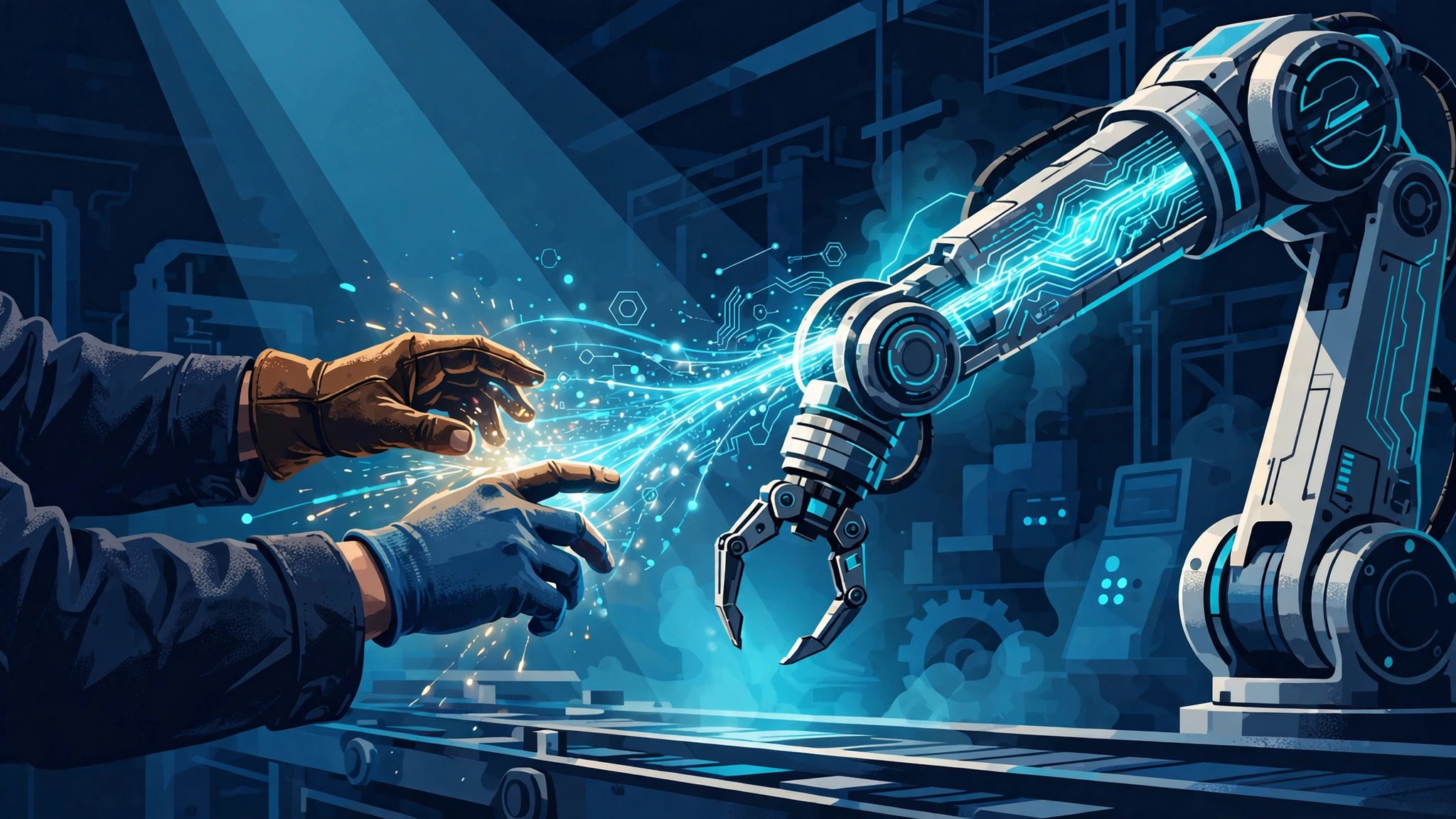
Every factory holds a kind of intelligence that never appears on a balance sheet: the judgment of an experienced operator restarting a line after a changeover, the sense of when a small variation in material deserves a closer look, the memory of what went wrong on the previous shift.
A new essay published by MIT Technology Review argues that this accumulated know-how — what it calls "industrial intelligence" — is manufacturing's next growth opportunity, provided companies can make it available wherever decisions are made and connect it to the physical work of the factory floor. The piece was produced by Microsoft and was not written by MIT Technology Review's editorial staff, a disclosure carried at the end of the article.
From one person's knowledge to everyone's advantage
The core argument is that expertise loses value when it stays trapped with one person, inside one system, or within one plant. An engineer weighing a process change needs more than a production record, the essay argues — they need the circumstances behind it, including the equipment configuration, the quality requirements, and the trade-offs an operator made at the time.
When that context travels, the essay contends, innovation spreads beyond its point of origin to the maintenance workshop, the planning office, and the production floor.
When intelligence starts acting
That connection is what the essay calls physical AI: systems that perceive conditions, reason about them, and act in the physical world. A robotic-handling station encountering variation in incoming parts, for example, could use vision to assess a part's position, draw on a model informed by the material and the task to choose a movement, and execute an adjustment within validated limits. The value, the essay stresses, is not merely seeing the variation but responding appropriately.
The piece points to a paint shop example at Toyota Industries, where connecting previously fragmented data gave engineering and operations teams the context to understand what was driving defects. According to the essay, the company reports that analysis cycles fell from five days to under four hours, while a pilot reduced relevant paint defects by about 25%.
Simulation plays a supporting role: manufacturers can test a proposed change digitally before touching real equipment, though physical validation is still required, the essay notes.
Guardrails before autonomy
The essay is equally explicit about the discipline such systems require: what systems may change, reliable equipment connections, defined safety boundaries, and a record of decisions. People must be able to recognize uncertainty, intervene, and bring equipment to a safe state. Trust, it argues, rests on those practical arrangements rather than on confidence in a model alone.
The piece also cites Rockwell Automation's Singapore plant, where a maintenance copilot cut new workers' troubleshooting training from nine months to three, according to the essay.
The broader claim is that industrial intelligence lets manufacturers grow without adding complexity at the same rate. "The next frontier of industry is not smarter machines or more automated factories," the essay concludes. "It is businesses that can continuously learn, adapt, and act."
Written by the BidAsk Newsroom. Based on reporting from the sources below.
Sources
Which AI tool is actually worth your money?
ToolROI is a free AI-tool ROI calculator for freelancers — compare what tools like Jasper, Copy.ai, Kit, and Semrush really cost you versus what they earn back.
Calculate my ROI →Free tool run by the same publisher as BidAsk. No affiliate links.