One Month In, Washington's 'Super Intelligence' Rebrand Is Barely Catching On
A month after the White House ordered agencies to swap 'artificial intelligence' for 'Super Intelligence,' the new term is appearing in solicitations but not in everyday speech — even among tech chiefs who signed on.
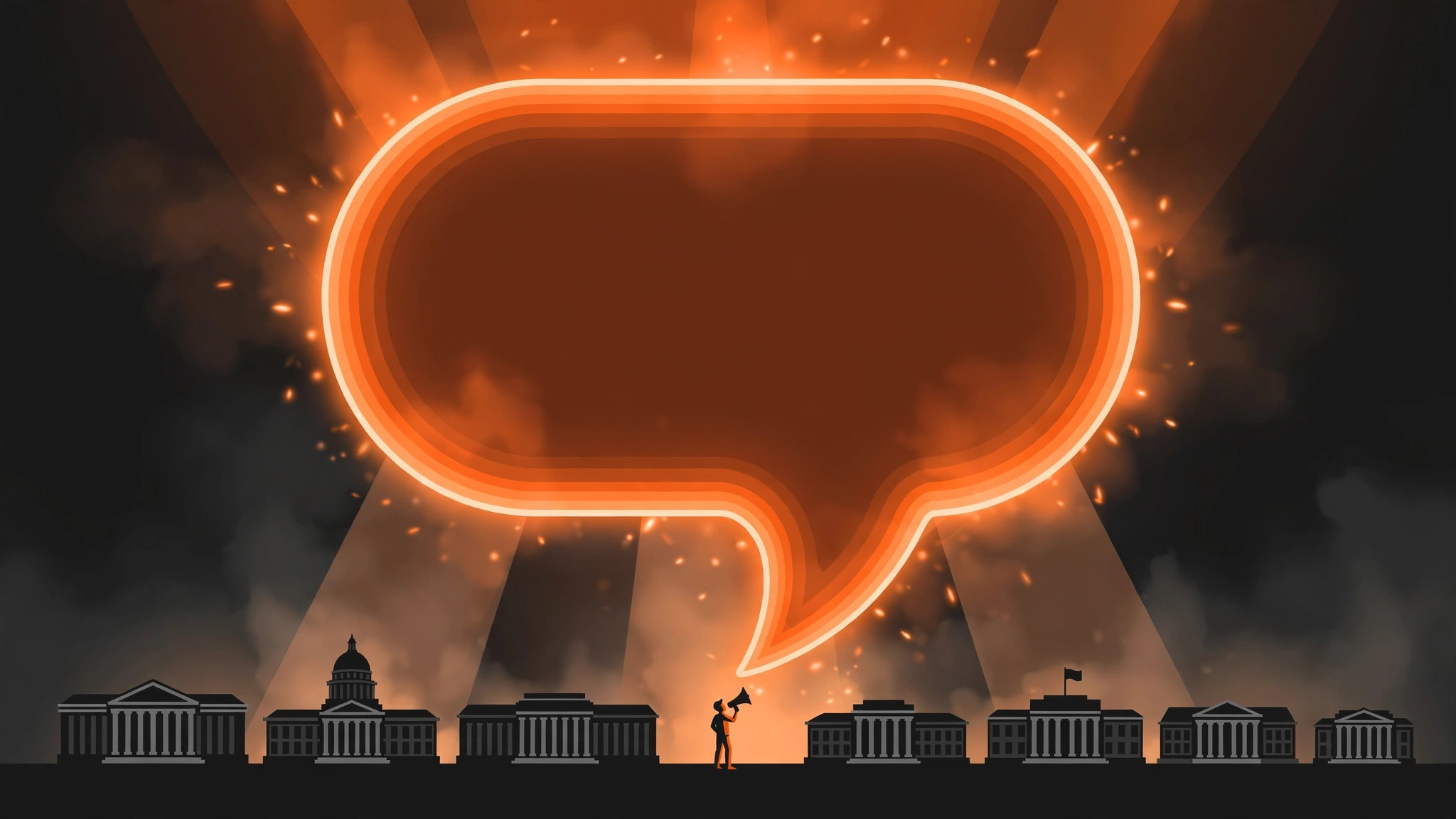
A month after President Donald Trump ordered federal agencies to stop calling it artificial intelligence, the replacement term is making slow headway — and, according to MIT Technology Review, the fight over what to call the technology may matter more than the rebrand itself.
A one-directive order
At the end of September, the president signed an executive order with a single instruction: government agencies should rebrand artificial intelligence as "Super Intelligence." The name beat out alternatives the president had floated in a poll on X, including "Extreme Intelligence" and "Supreme Intelligence," according to the report.
The stated rationale is that today's systems amplify human ingenuity rather than merely imitate intelligence, and government language should reflect that. But the report argues the rebrand follows a familiar pattern from this White House — renaming as a show of dominance or institutional priority, as with the Gulf of America and the Department of War — and that vocabulary can quickly become a loyalty signal.
The precedent is concrete: the administration previously barred the Associated Press from some White House press events after the outlet declined to adopt "Gulf of America," according to MIT Technology Review.
Inside government: patchy adoption
One month in, the new term is showing up in government solicitations. The report cites a request from Immigration and Customs Enforcement seeking companies to build "SI-powered" surveillance for detention facilities. On many agency websites, the swap has happened quietly, while the National Institutes of Health now carries a banner warning visitors they may see both terms during the transition.
There have also been visible slips. The Pentagon announced a new initiative, Project Meridian, the day after the order using the old terminology. A Federal Trade Commission release last week used the single word "superintelligence" rather than the two-word capitalized version the order specifies, and recent Health and Human Services releases show no sign of the new language at all, according to the report.
Even senior officials are still adjusting. A researcher at a national lab repeatedly said "AI" in an interview before sheepishly catching the slip, and Defense Secretary Pete Hegseth used "AI" in an October 3 interview, the report notes. The order does not apply to previously issued regulations or documents, which helps explain why "AI" will persist in the names of offices and programs created over recent years.
Tech chiefs: signed on, but still saying AI
The tech industry's response has been mixed. On the same day the order was signed, the White House released a nonbinding statement on AI safety, the White House Accord on Super Intelligence, signed by six of the industry's most powerful figures: Google's Sundar Pichai, Anthropic's Dario Amodei, Meta's Mark Zuckerberg, OpenAI's Greg Brockman, xAI's Elon Musk, and Nvidia's Jensen Huang.
Yet even within that group, the term has not caught on broadly. An analysis of third-quarter earnings calls cited by CNBC found that only Zuckerberg and Musk used the term consistently — and Zuckerberg barely counts, since Meta has used "superintelligence" since last year. Musk's companies use the term heavily, and he has pledged to rename SpaceXAI to SpaceXSI, though he still mixes the two terms in his own posts. Executives from Amazon, Microsoft, and Alphabet stuck with "AI" on their calls, although Microsoft's recent shareholder letter referred to the "Super Intelligence era."
Why the wording fight matters
The report also flags a practical cost: government staff are now spending time writing guides on how departments should navigate the rebrand, and agency leaders must jointly draft a new legislative definition of "Super Intelligence" for the president by the end of this month.
But the deeper concern, according to the report, is what happens to public debate. AI sits at the center of the national conversation — two-thirds of Americans report interacting with it multiple times a week, according to Pew Research cited in the article — and unlike immigration or climate policy, attitudes toward AI do not yet split neatly along partisan lines. If the vocabulary itself becomes a partisan marker, the report warns, ordinary conversations about the technology could shut down before they start.
With midterm elections on November 3, and voters ranking AI as more important than environmental and climate policy in this election, the terminology battle arrives at a moment when the country is only beginning to debate what AI should mean for daily life.
Written by the BidAsk Newsroom. Based on reporting from the sources below.
Sources
Which AI tool is actually worth your money?
ToolROI is a free AI-tool ROI calculator for freelancers — compare what tools like Jasper, Copy.ai, Kit, and Semrush really cost you versus what they earn back.
Calculate my ROI →Free tool run by the same publisher as BidAsk. No affiliate links.