Tesla Is Dropping the Cybertruck to Go All-In on Robotaxis
Tesla plans to end Cybertruck production in 2027 and hand its factory lines to the Cybercab, betting its future on driverless ride-hailing rather than pickup trucks.
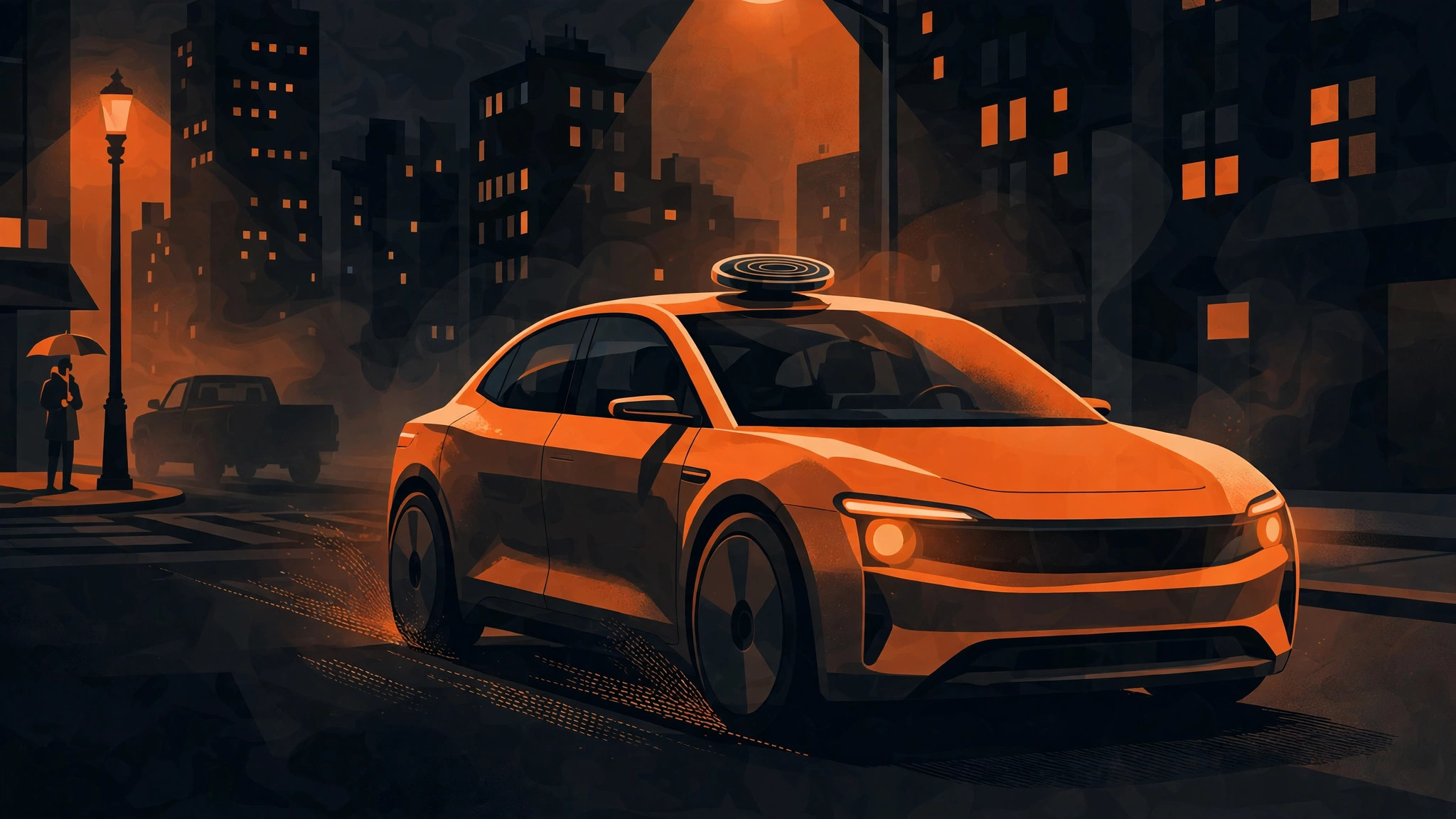
Tesla is preparing to wind down one of its most recognizable vehicles. According to a report from Simply Wall St published on Yahoo Finance on November 8, the company plans to end production of the Cybertruck in 2027 and redirect that factory capacity to its Cybercab robotaxi program.
The plan, as reported, is to repurpose the Cybertruck's manufacturing lines to build the Cybercab instead. Tesla is positioning the Cybercab as a purpose-built autonomous vehicle for ride-hailing fleets, not as a car for individual buyers — a distinction that puts the program squarely in the business of selling rides rather than selling vehicles.
From selling trucks to selling rides
The move is the clearest sign yet of how Tesla wants to be valued. The company has spent heavily on autonomy, AI chips and energy infrastructure, and the reported plan ties that spending directly to a new revenue model: robotaxis and subscriptions for its Full Self-Driving software, rather than one-off vehicle sales.
Simply Wall St's analysis frames the shift as an attempt to turn a low-margin carmaker into a higher-margin software and services business. On that reading, the Cybercab is not just a new model — it is the centerpiece of a company that would look more like Uber or Lyft than Ford or General Motors. Ending the Cybertruck also trims exposure to a halo product that never became a volume seller.
A bet with real downside
The pivot carries obvious execution risk. The same report notes that Tesla's net margins sit at 3.1% and its free cash flow has turned tighter, even as the company leans harder into a capital-intensive robotaxi buildout. If safety regulators slow deployments, tariffs bite, or drivers are slow to adopt self-driving features, rivals such as Waymo or Cruise could gain ground while Tesla carries most of the spending.
Simply Wall St also cites a fair value of $408 for Tesla shares in its linked narrative, a reminder that the market is being asked to price a future built on autonomy rather than today's car business.
The same decision, the report concludes, can look like a clean pivot to a higher-margin autonomy story — or an overconfident bet on robotaxis — depending on which version of Tesla an investor believes in. Either way, the Cybertruck's days are now numbered, and the factory floor it leaves behind will be building cars with no steering wheel and no driver.
Written by the BidAsk Newsroom. Based on reporting from the sources below.