Bitcoin, Explained: The Ledger That Runs Without a Bank
Bitcoin's real breakthrough was never the coin — it was a way to keep honest records without trusting any single institution.
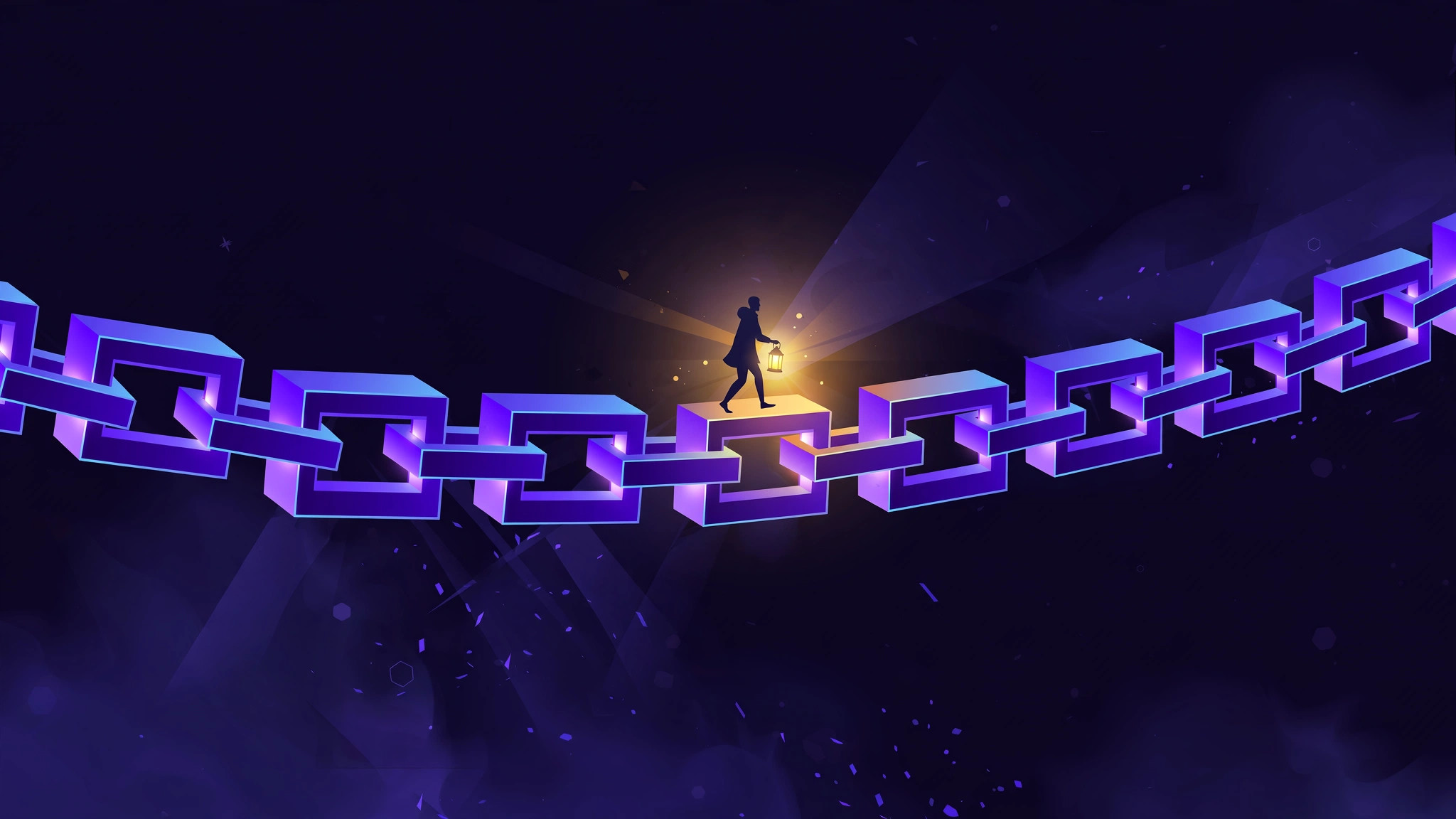
Bitcoin has been called digital gold, a speculative gamble, and the future of money — often in the same week. But according to The Block's beginner guide, the argument over what Bitcoin is misses the more durable point: what Bitcoin proved was possible. For the first time, a network of strangers could agree on a shared record of value without handing the job to a bank, a government, or any single company.
Born in a crisis of trust
Bitcoin arrived in the aftermath of the 2008 financial crisis, when confidence in traditional markets was badly shaken. An anonymous author writing as Satoshi Nakamoto published a 2008 white paper describing peer-to-peer electronic cash, and the network went live in 2009. Satoshi's identity remains unknown, but the idea took hold: money that moves directly between people, with no intermediary in the middle. Bitcoin is the first cryptocurrency — a decentralized digital currency with a fixed supply of 21 million coins, secured by Proof of Work, with transactions that are transparent but pseudonymous, visible to all yet tied to addresses rather than names.
A notebook nobody can quietly rewrite
The guide's central analogy is a shared notebook. Each page is a block of transactions, stamped with a unique code called a hash. Every page also points back to the one before it, forming the chain. Change a single entry on an old page and its hash changes — the tampering becomes visible to everyone holding a copy. Inside each block, a structure called a Merkle tree compresses all the transaction hashes into one compact commitment. And because thousands of independently operated nodes each keep and verify their own copy of the ledger, no single participant can easily alter, censor, or control the record. That distribution of power is the point of decentralization: instead of trusting one database, the network relies on many participants checking one another.
Who keeps the books, and why
Miners do the work of securing the ledger. In Proof of Work, they compete to solve computational puzzles, and the first to find a valid solution earns the right to add the next block — collecting newly issued Bitcoin plus transaction fees. Scarcity is built in: new coins enter only through mining rewards, and those rewards shrink at regular events called halvings, creating a predictable supply schedule that no central party can unilaterally rewrite.
Keys, wallets, and the fine print
For users, control comes down to cryptography. A private key works like a secret PIN — whoever holds it controls the funds. A public key is derived from it and can be shared freely, like a mailbox, and an address is the shorter identifier where someone can receive Bitcoin. Wallets manage those keys: software wallets on connected devices favor convenience, while hardware wallets keep signing keys on a dedicated device. Many wallets also use a seed phrase as a recovery backup. The guide's warning is blunt: anyone who obtains a private key or seed phrase may be able to control the funds, so neither should ever be shared.
Transactions run on a model called UTXO — unspent transaction outputs. Think of paper bills: to send part of a larger output, you spend the whole thing and receive change back. Fees help miners choose which transactions to include first, and a low fee on a busy day can leave a transaction waiting in the mempool, a holding area for valid but unconfirmed transfers.
Today, Bitcoin wears several hats at once: peer-to-peer money, a store-of-value asset, and the foundation of a wider decentralized economy. The guide's bottom line is that understanding the ledger matters more than watching the price — because the ledger is the invention that outlasts any single market cycle.
Crypto prices are volatile and the figures above reflect the reporting of the cited sources at the time of publication.
Written by the BidAsk Newsroom. Based on reporting from the sources below.
Is your VPN actually protecting you?
LeakCheck runs a free VPN leak test right in your browser — real WebRTC leak detection, your public IP and location, and a clear pass/fail verdict. No signup, no cost.
Test my VPN →Free tool run by the same publisher as BidAsk. No affiliate links.