The 100-Year-Old Way We Pull Metals From Rock May Finally Be Replaced
A Finnish steelmaker is betting that rethinking extraction from scratch — not just optimizing it — can cut emissions and unlock metals the West now imports.
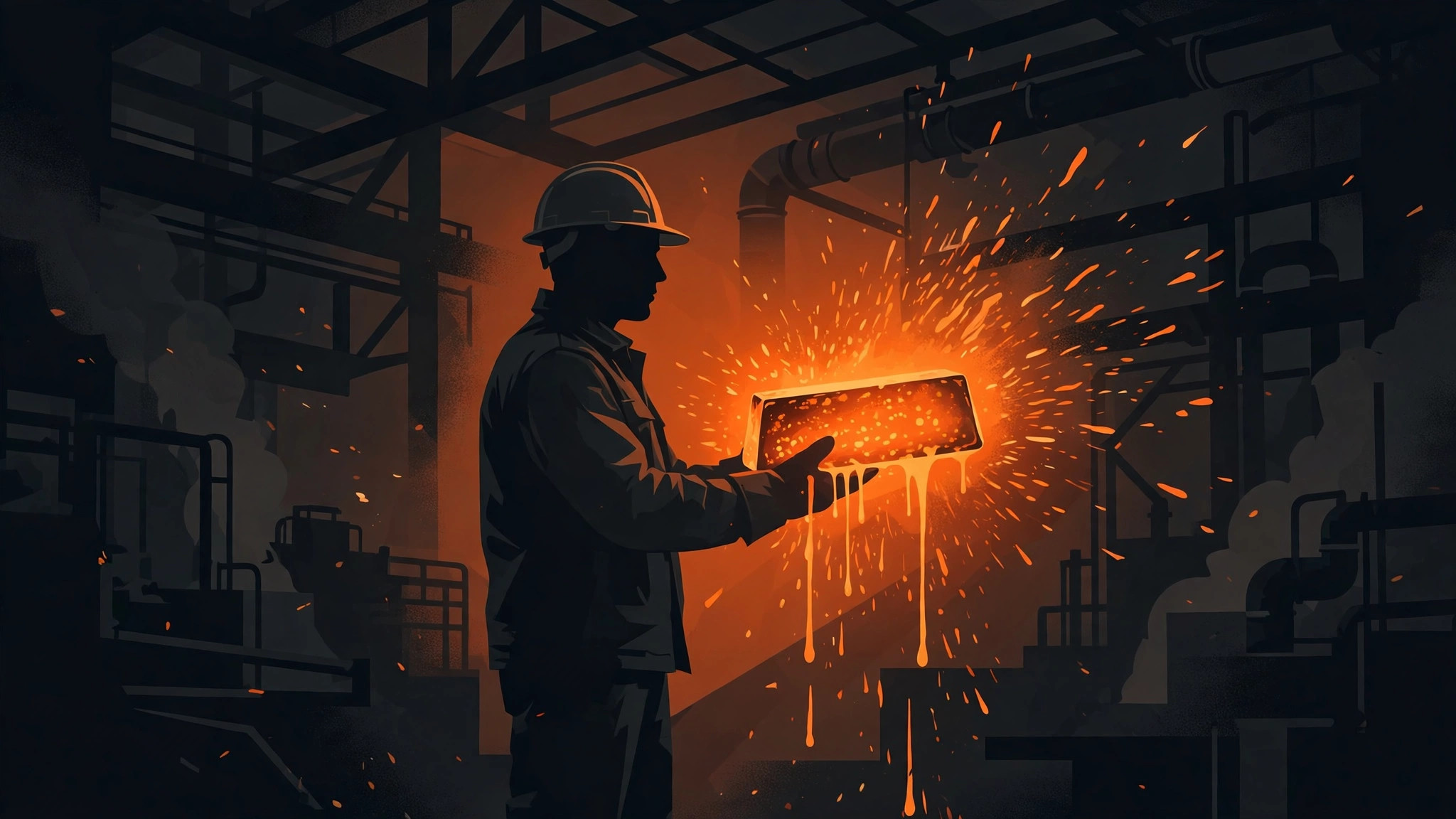
For more than a century, the science of pulling metals out of ore has barely changed. The furnaces got bigger and the control systems got smarter, but the fundamental chemistry — the part that actually separates metal from rock — would still look familiar to a metallurgist from generations ago.
That is the starting point for a new technology platform from Outokumpu, the Finnish stainless steel producer, which argues that the industry has spent decades optimizing the wrong thing. According to MIT Technology Review, the company's EvoMaterials platform tries to rethink extraction from first principles rather than squeezing incremental gains out of existing smelting routes.
A supply problem dressed as a science problem
The timing is not accidental. Demand for critical metals is climbing as the world electrifies, driven by everything from data centers and aerospace to energy systems and defense, according to Antoine Allanore, a professor of metallurgy at MIT. At the same time, many Western economies have let their domestic processing capacity for those very metals shrink.
A different chemical pathway
The platform grew out of research into sulfidation-based processing, originally pursued to cut the carbon emissions tied to ferrochrome production. Lab work showed the alternative chemistry could do more than lower emissions: it could recover valuable metals from lower-grade resources and industrial side streams, while changing how separation itself is performed.
A platform, not a single process
The most consequential claim is that EvoMaterials is not one process but a platform. Once a new extraction pathway is mastered for one material system, the same scientific principles may be adapted to entirely different metals and mineral resources. Allanore compares it to platform technologies in other industries, where a single scientific breakthrough enables multiple downstream applications.
That matters because the industries hunting for secure supplies of nickel, chromium, molybdenum, and other strategic materials are the same ones now reshaping advanced manufacturing. A company that owns the process technology could create value not just through production, but through intellectual property and scientific expertise.
What happens next
The next step is pilot-scale validation. A pilot plant in New Hampshire is set to begin operations in the first half of 2027, scaling the technology from the lab to one-ton production, with industrial-scale deployment targeted for 2030. Beyond low-CO2 ferrochrome and chromium metal, the platform could be adapted to other strategic materials, including nickel and molybdenum.
The work raises a broader question: how many of today's metallurgical processes would look the same if they were invented from scratch? The next revolution in materials may begin not with a bigger furnace, but with a different way of pulling metal from rock.
Note: the MIT Technology Review piece this article is based on was sponsored content produced by Outokumpu, not written by the publication's editorial staff.
Written by the BidAsk Newsroom. Based on reporting from the sources below.