Tesla Drops the 'Full Self-Driving' Name in Europe, Rebrands as 'Tesla Assisted Driving
After Germany's transport ministry called the FSD name misleading, Tesla renamed its driver-assistance system on European websites — and Berlin is now backing its push for EU-wide approval.
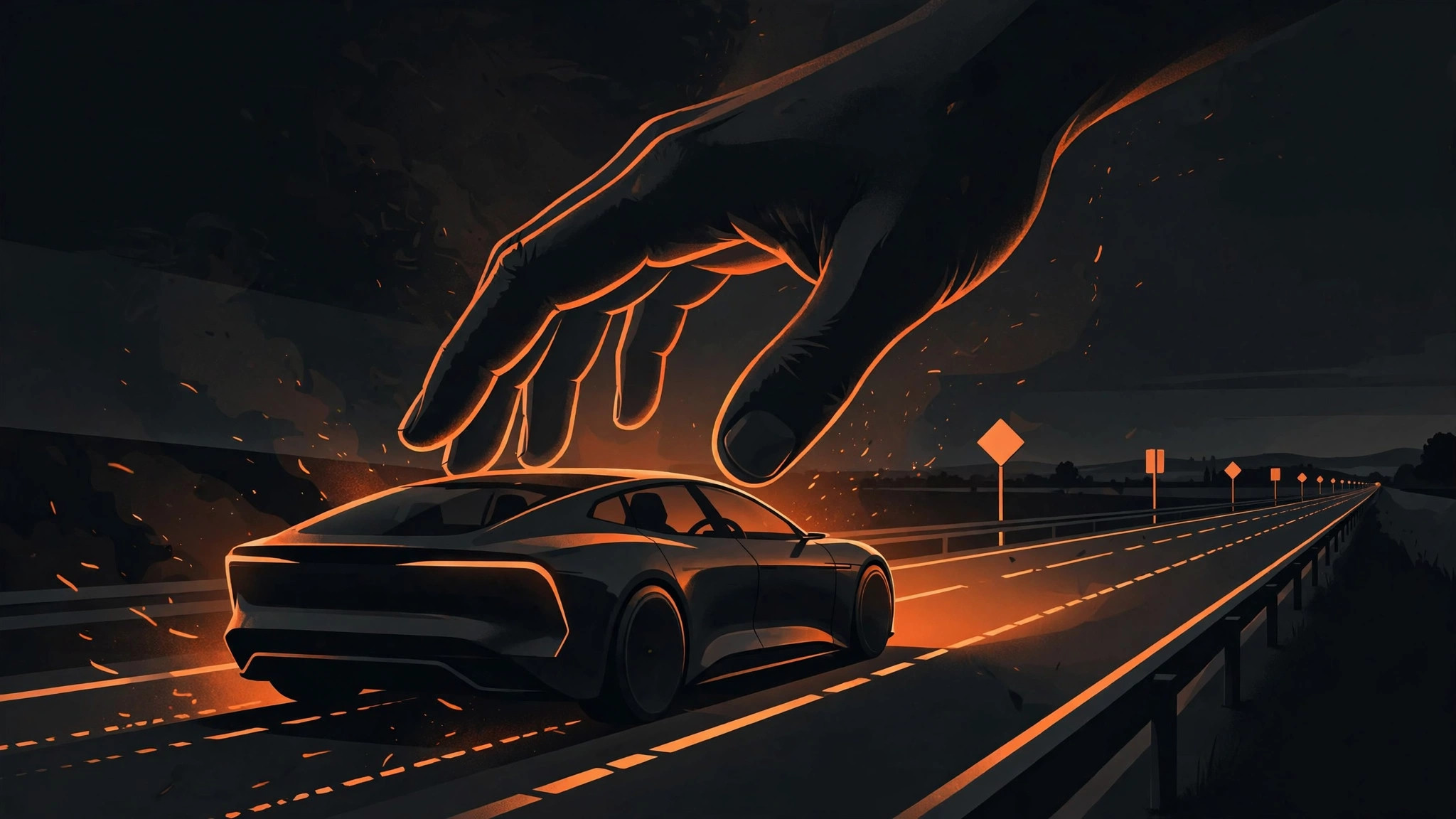
One of the most contested brand names in the auto industry just disappeared from Tesla's European websites. The software long sold as "Full Self-Driving (Supervised)" is now called "Tesla Assisted Driving" across the continent, as the company races to win EU-wide approval for its flagship driver-assistance technology.
Berlin's pushback
The rename follows a statement earlier this week from Germany's Federal Ministry of Transport, which said the old "FSD – Full Self-Driving Supervised" name was misleading because the system does not take over the full driving task. According to the ministry, the driver has to pay attention at all times and remains fully responsible for the car.
Tesla offered the new name during talks with German Transport Minister Steffen Bilger in September, the ministry said — a notable concession from a company that has defended the FSD branding for years even as regulators in multiple countries questioned it. Pages for markets including Germany, Spain, the Netherlands, and Slovakia now redirect to the new "Tesla Assisted Driving" branding. The U.S. site still calls it Full Self-Driving (Supervised).
A deal on speed
The talks produced more than a new name. Germany says the system can operate at up to 10 percent over the speed limit — a concession for Tesla, whose Dutch-approved version reportedly allowed up to 50 percent over the detected limit, according to Reuters — and Berlin will back that position in the EU approval process. In return, Bilger said he wants Tesla drivers to be able to use the system across the EU as quickly as possible. CEO Elon Musk thanked Germany on X with a "Danke schoen."
Why it matters
Tesla has been campaigning for European approval for years, including encouraging owners to lobby national regulators, as detailed in a Reuters report this week. A German owner-freedom-of-information trail and a Swedish consumer-protection push — Swedish authorities asked the Swedish Transport Agency to assess whether the FSD marketing could give buyers the false impression of full autonomy — show how widespread the skepticism has been.
An EU-wide vote could come later this year. For Tesla, which has described self-driving as key to its future growth, the name change is a small price for a potentially massive new market: one honest label in exchange for a continent of drivers.
Written by the BidAsk Newsroom. Based on reporting from the sources below.